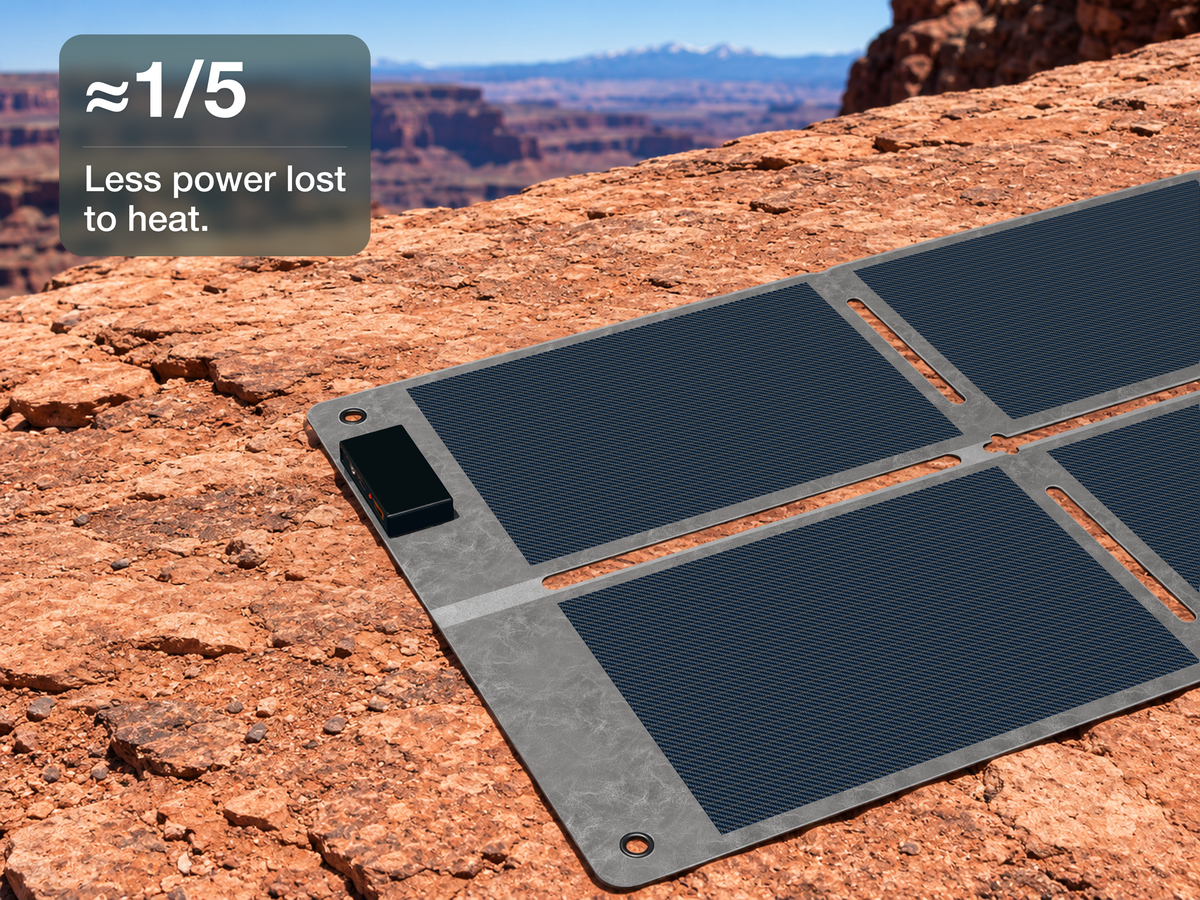
Other 20W panels. Too little charge in weak light.
A 20W panel can fall to 2–3W in weak light—while maps and messages keep draining your phone.
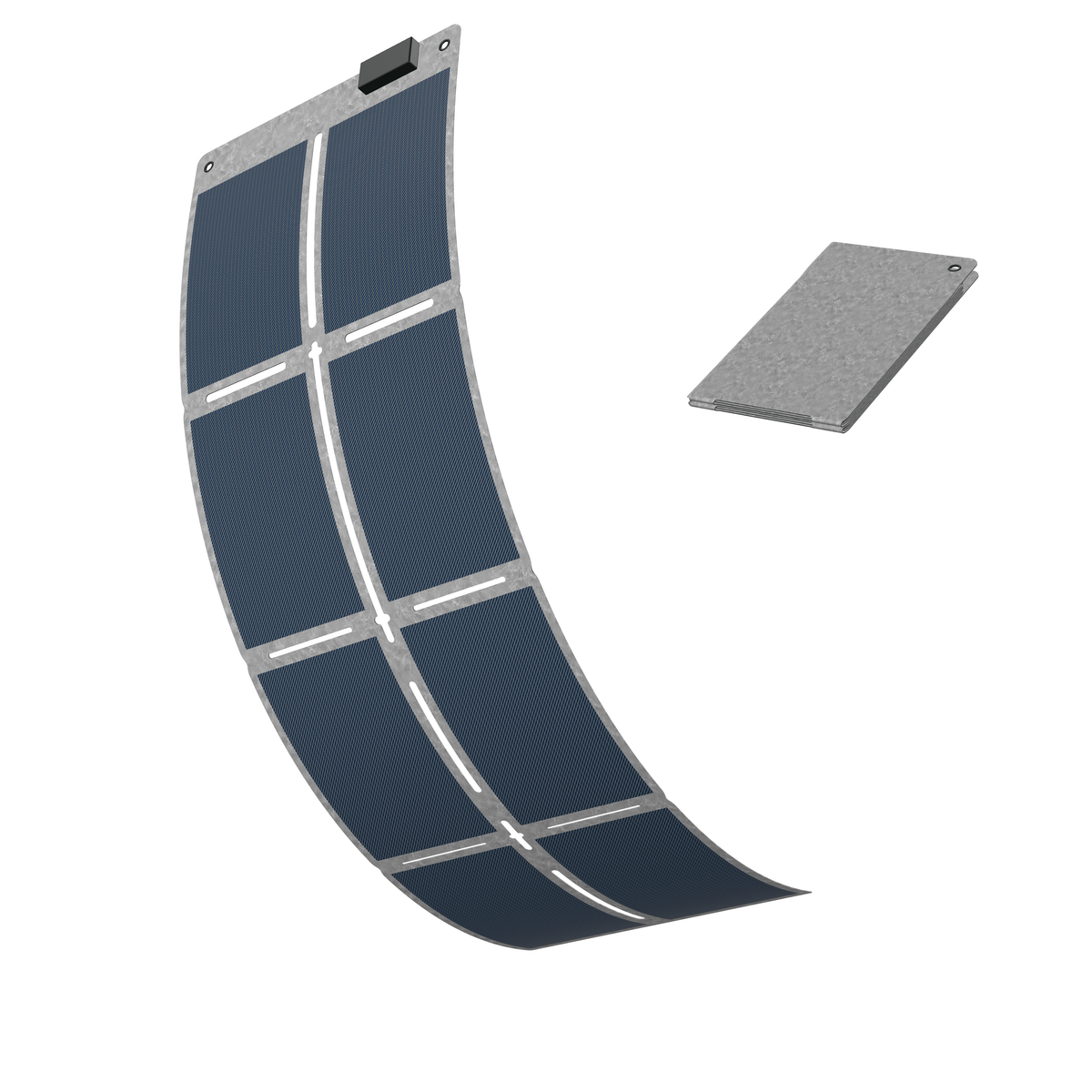
 1300 mm
429.5 mm
 325 mm
215 mm
Total output up to 60 W in full sun, shared across the ports. No built-in battery.
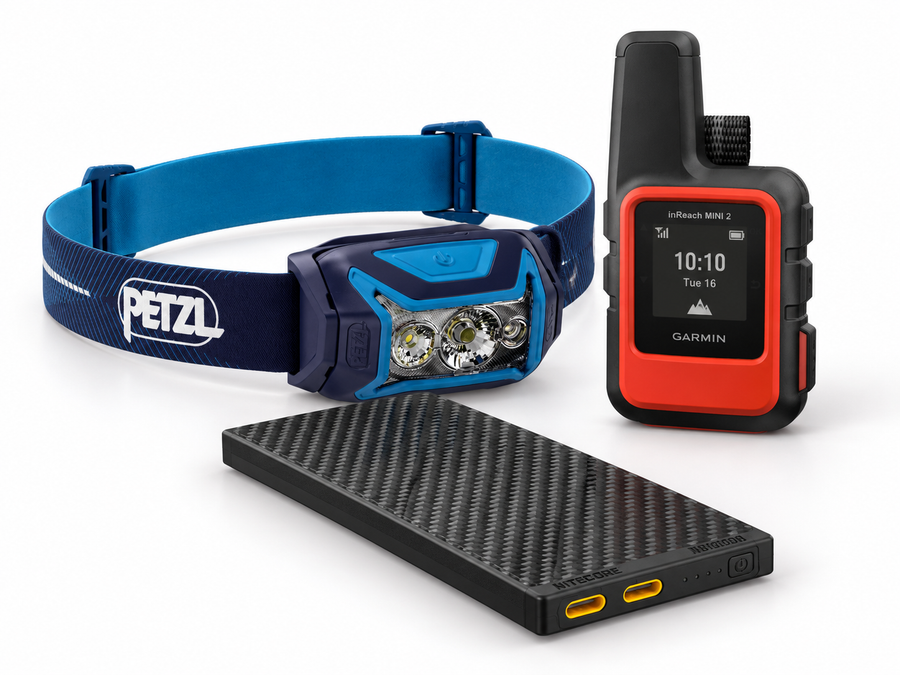
Maps. Check-ins. The next campsite.
There’s still a trip ahead of that battery icon.




A 20W panel can fall to 2–3W in weak light—while maps and messages keep draining your phone.
In the forest, finding a stop is easier than finding an unshaded place to charge.
EMAXCORE brings perovskite photovoltaics and panel design together for useful charging in weak light and partial shade.
A power bank only holds what you packed. EMAX keeps turning available daylight into a recharge, even when the light isn’t ideal.

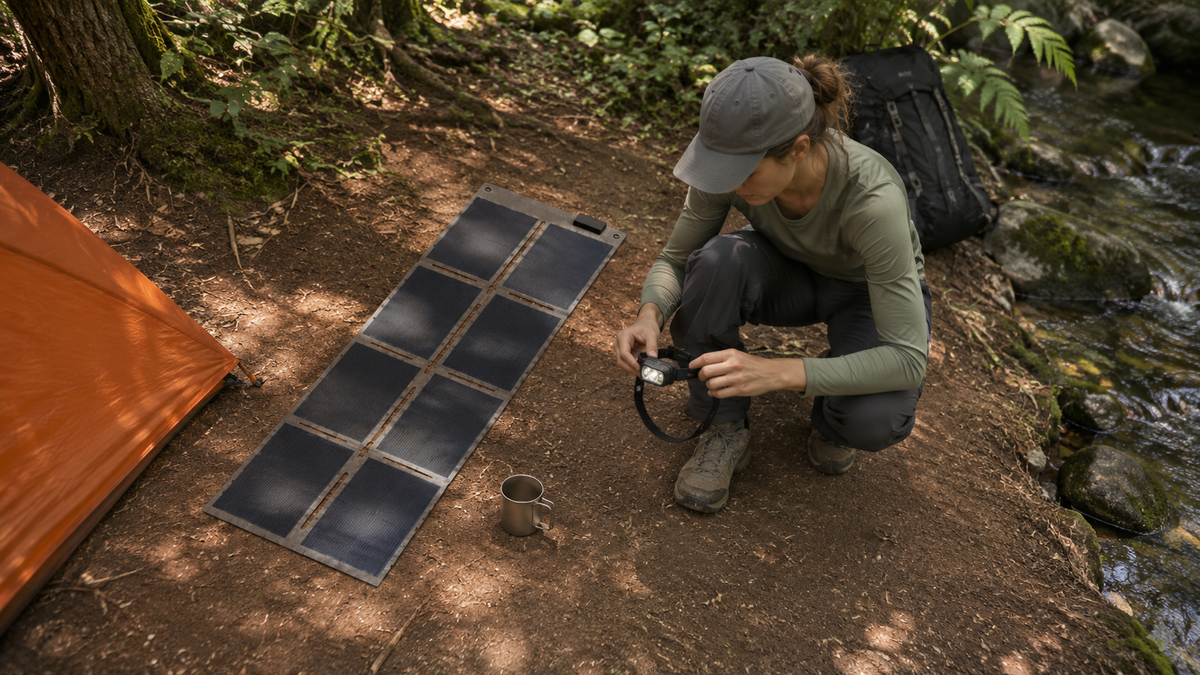
You found a place to rest. Branches still break up the light across your panel. EMAX keeps that stop working for your next charge.
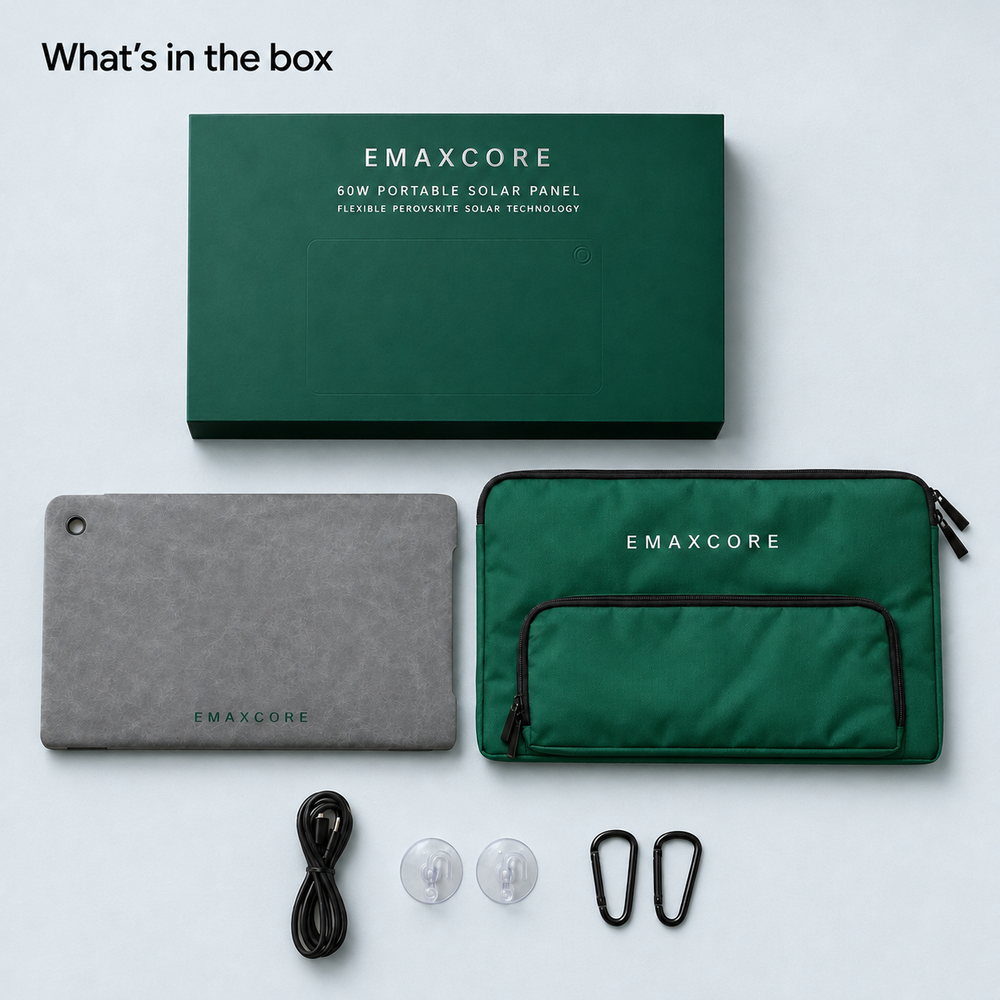
A full 60W panel. Just 940g.Power worth packing.
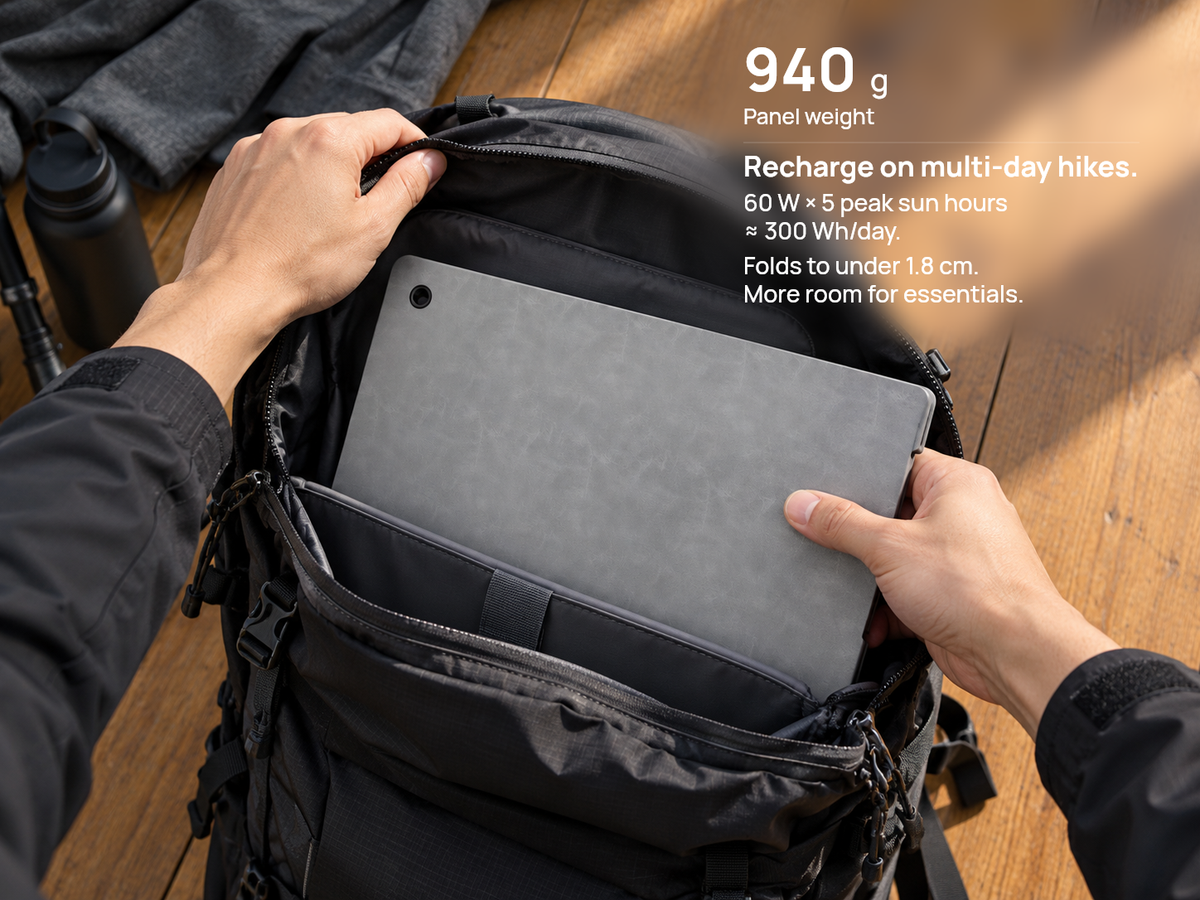
*Calculated at 60W × 5 peak sun hours, before losses. Actual yield varies with conditions.
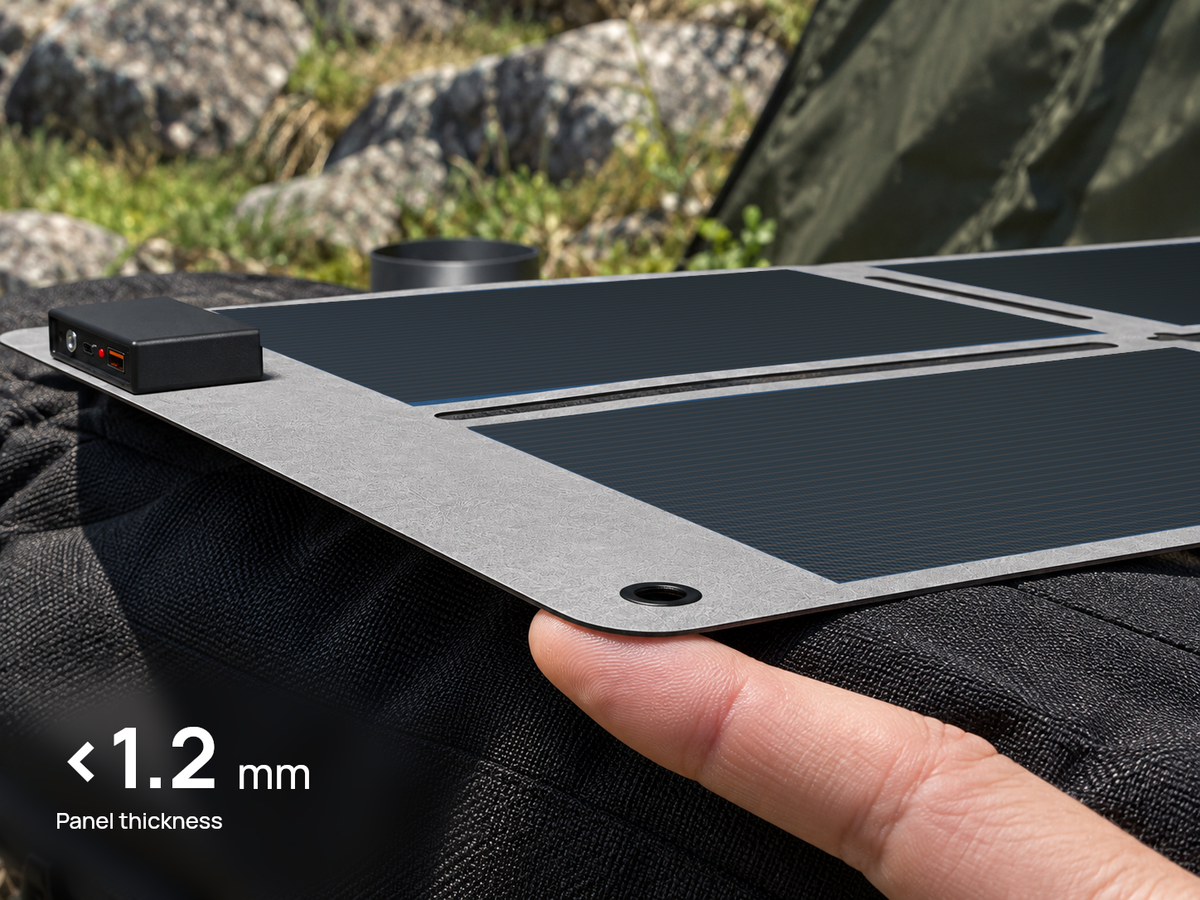

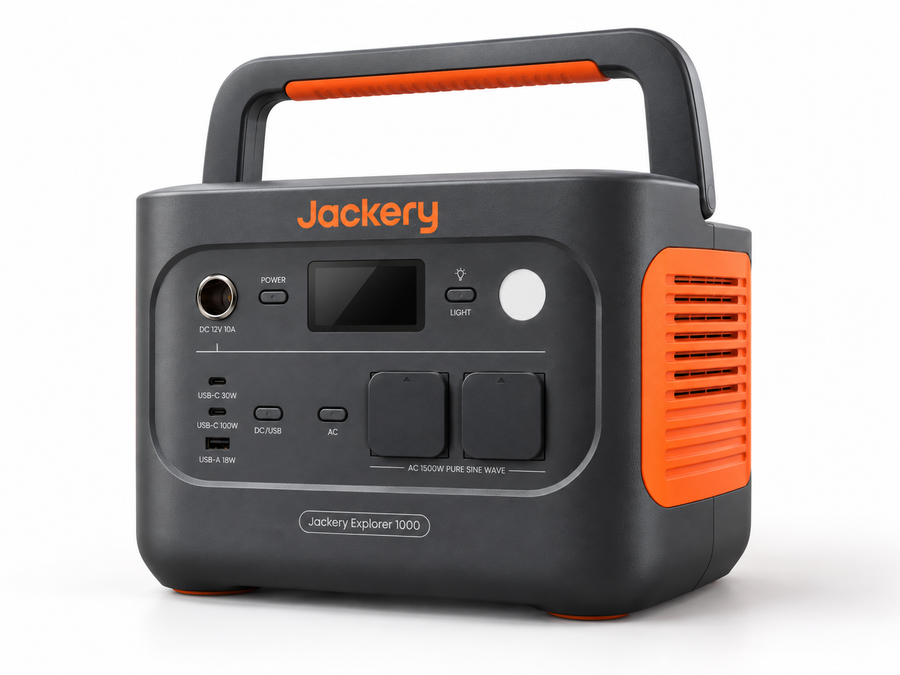
USB-C, USB-A and DC for phones, power banks and compatible power stations.

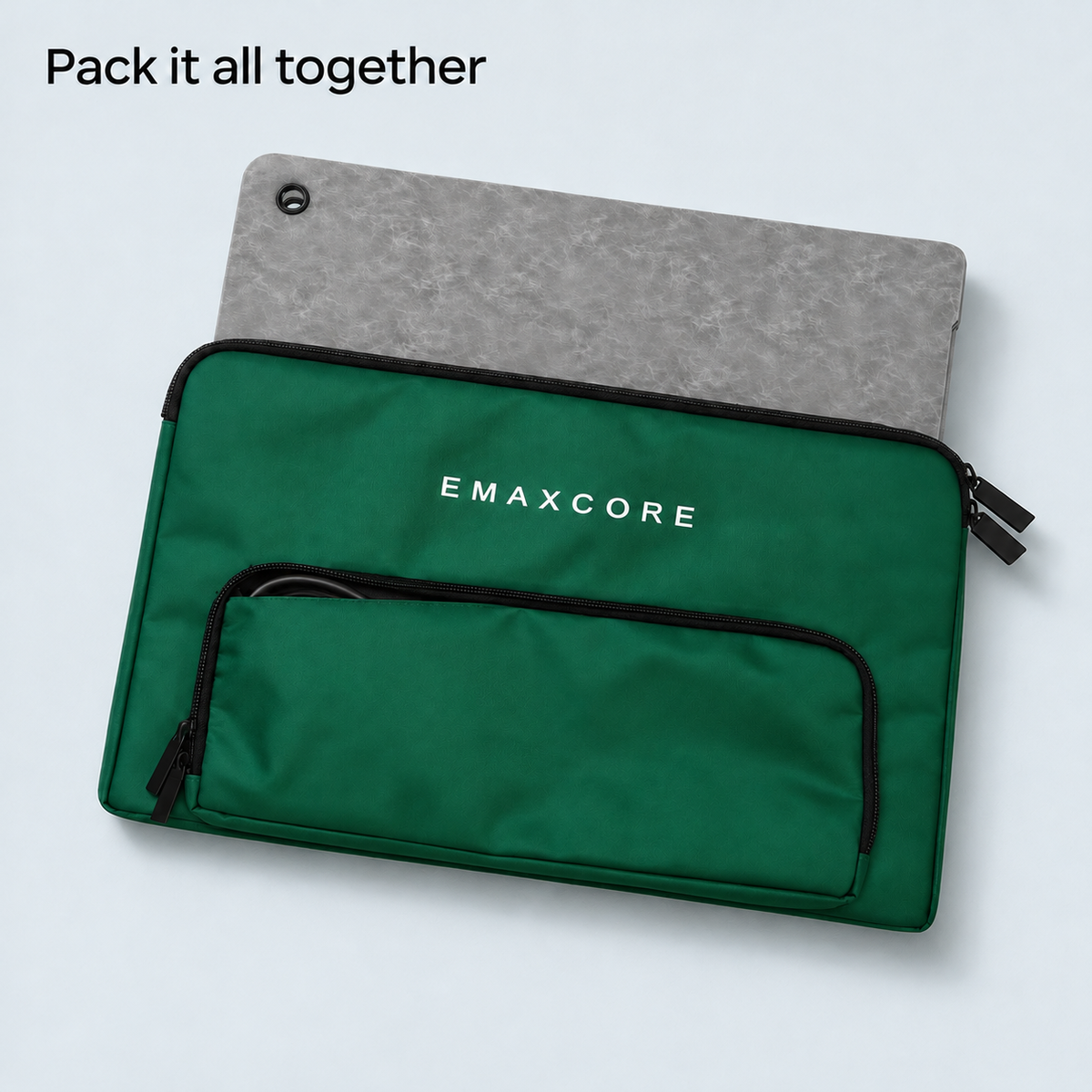
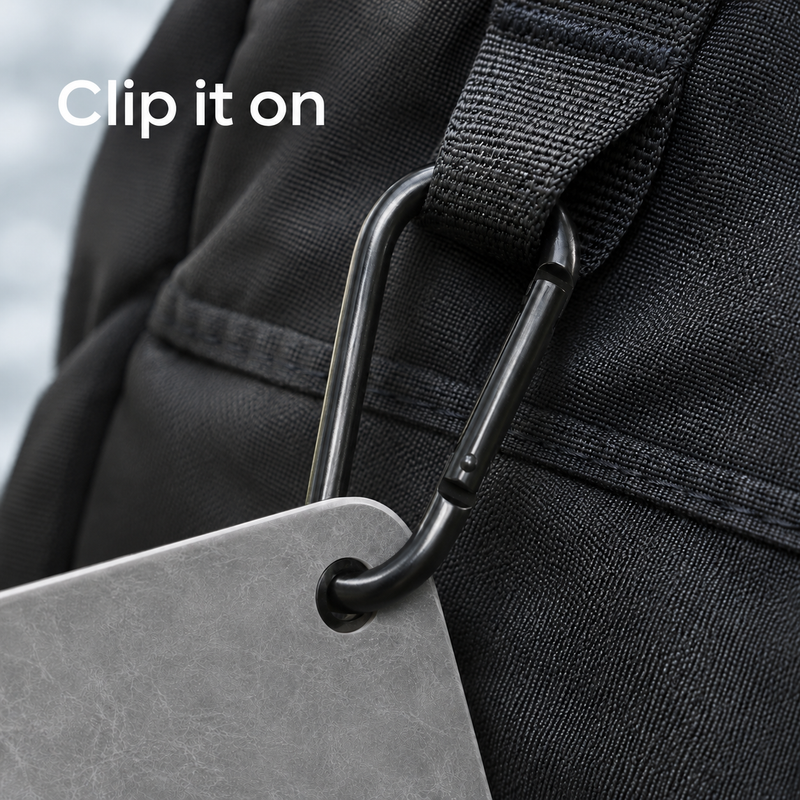

No. The 80% figure is a real-device result: the phone kept charging with about 80% of the panel in shade. Output falls as shade grows, it just does not fall to zero the way silicon does.
Yes. USB-C and USB-A follow the phone's fast-charge protocol. There is no battery inside the panel, so the phone charges while there is usable light.
Each port has its own limit: DC and USB-C up to 60 W, USB-A up to 15 V at 3 A. The panel's total output is 60 W under full sun, shared across whatever is plugged in.
Yes, through the DC 5521 port at 27 V. Check that your station accepts a solar input in that range.
The panel body is built for rain and damp conditions and has passed 1000 hours at 60 °C and 90% humidity. Keep the ports dry when connecting.
EMAX 30 is on pre-order and is planned for Q1 2027. Your card is not charged until it ships.