
The next frontier
in solar technology.
Three limits. Solar reimagined.
Perovskite enables efficient low-light cells and lightweight, flexible solar films that can fit new products and surfaces.
 Low light37.6%Research-cell efficiency under 1,000 lux LED light.
 weight558W/kgPower-to-weight ratio of a flexible research module.
 Flexible form10,000×bend cycles with 92.5% efficiency kept
What is perovskite?
A family of materials with a shared crystal structure.In solar cells, they absorb light in ultra-thin films that can be printed or coated.
- Grow the crystal.A solid silicon ingot.
- Slice into wafers.Thin silicon. Still brittle.
- Build the cell.Metal contacts collect current.
- Bend too far.Cracks can form.
- ABX₃ latticeCorner-sharing octahedra. Composition tunes light absorption.
- Mix the ink.Dissolve precursor salts in a solvent.
- Coat and crystallize.An ultra-thin absorber on a flexible base.
- Bend itFlexes and keeps absorbing light.
Different material, different ways to use it.
- ThinAn absorber measured in microns. No wafer required.
- FlexibleFlexible bases enable curved, foldable and rollable designs.
- Low-light responseTurns dim daylight and indoor light into power.
- Shade toleranceBypass diodes help unshaded sections keep generating power.
More than a lighter panel. A different starting point.
From wafers to films, solar can fit more surfaces and power new products.
One film.Three ways to rethink solar.
Low light · Power to weight · Flexible form
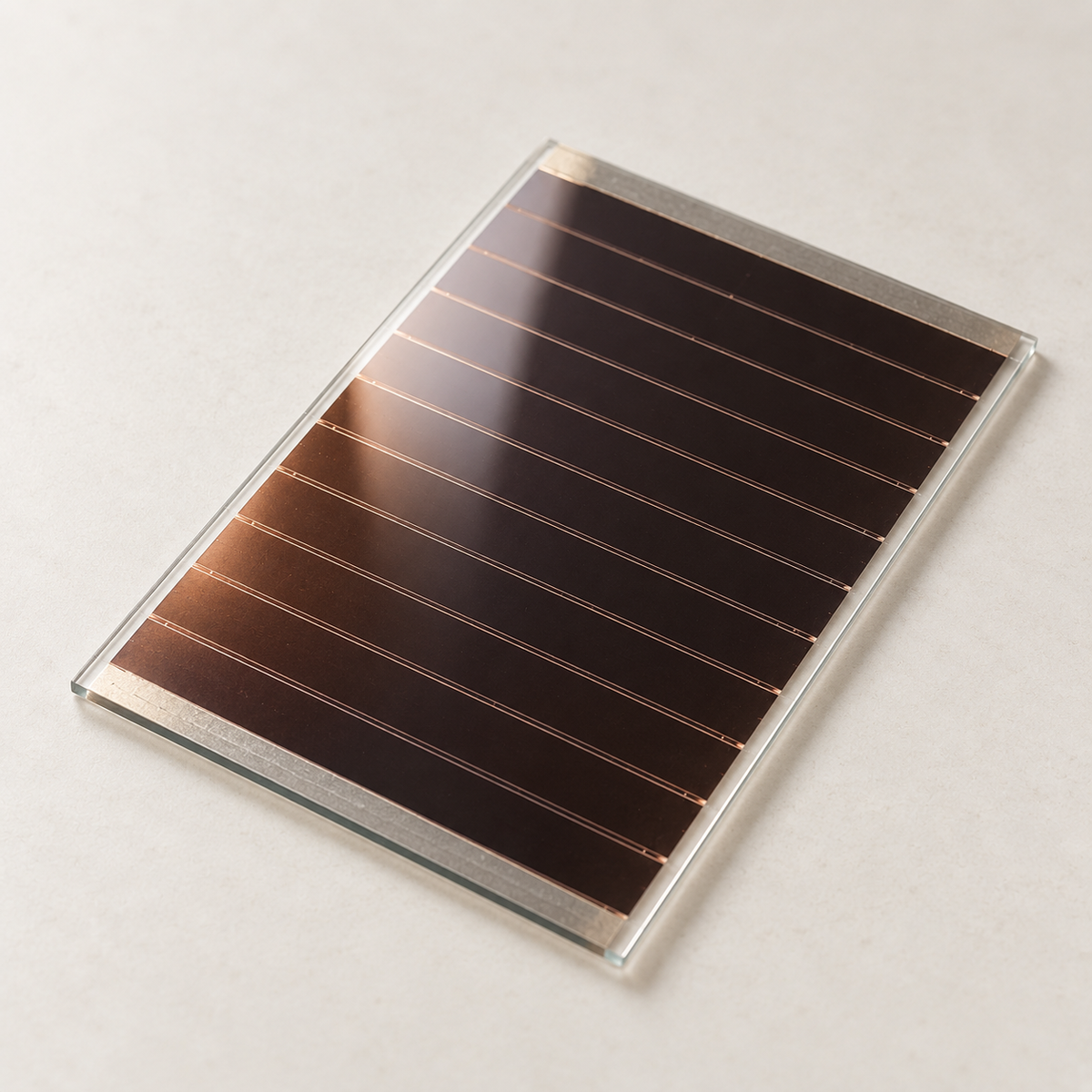
Less light.
Still power.
Dim light still counts. Partial shade doesn’t have to stop the whole panel.
Perovskite’s bandgap can be tuned to suit indoor light.At the module level, bypass diodes help limit power losses from partial shade.
See the research↗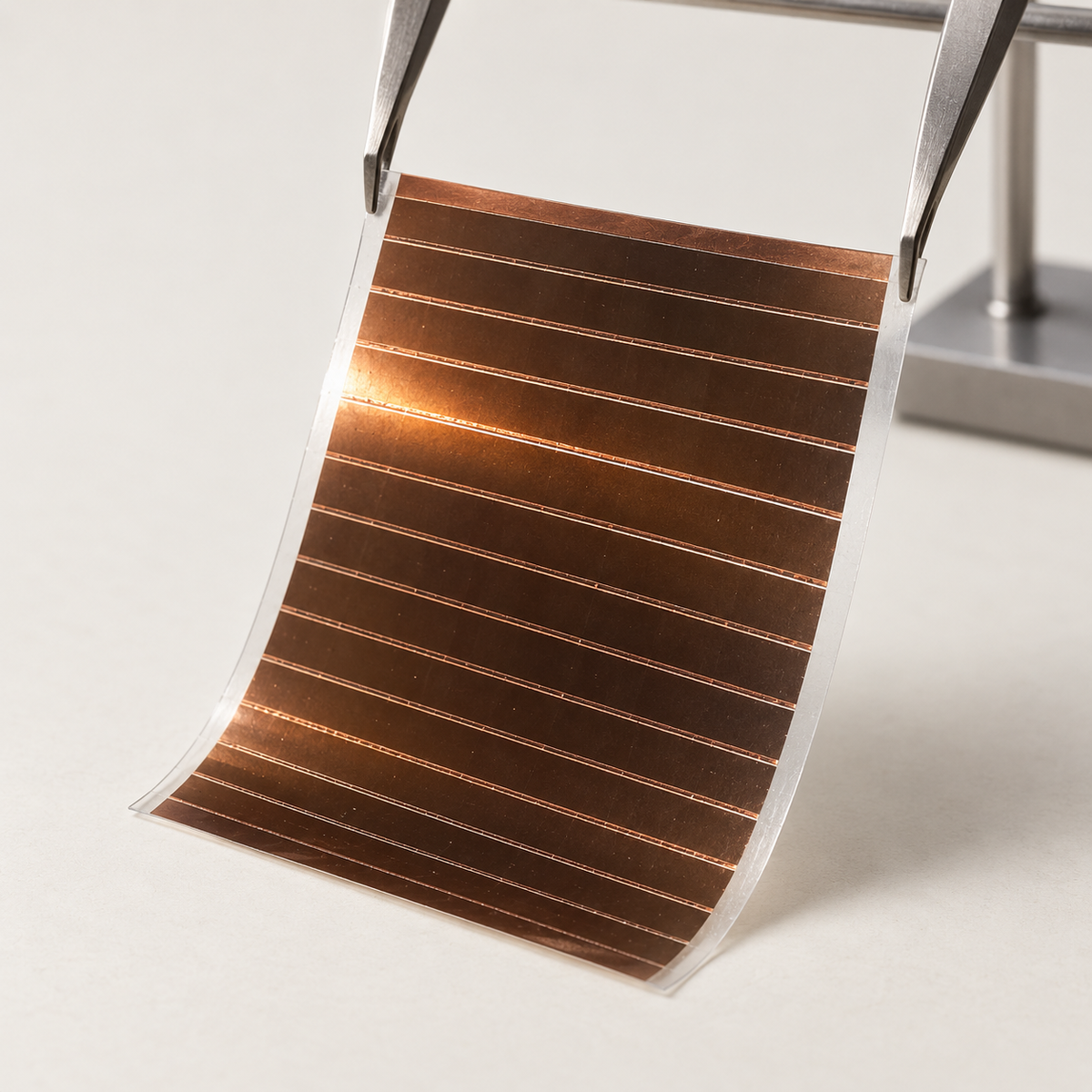
Power without the bulk.
Micron-thin absorbers enable lighter solar designs.
Perovskite can be coated onto lightweight, flexible substrates, reducing the need for heavy glass and frames.Encapsulation and electrical connections remain essential.
See the research↗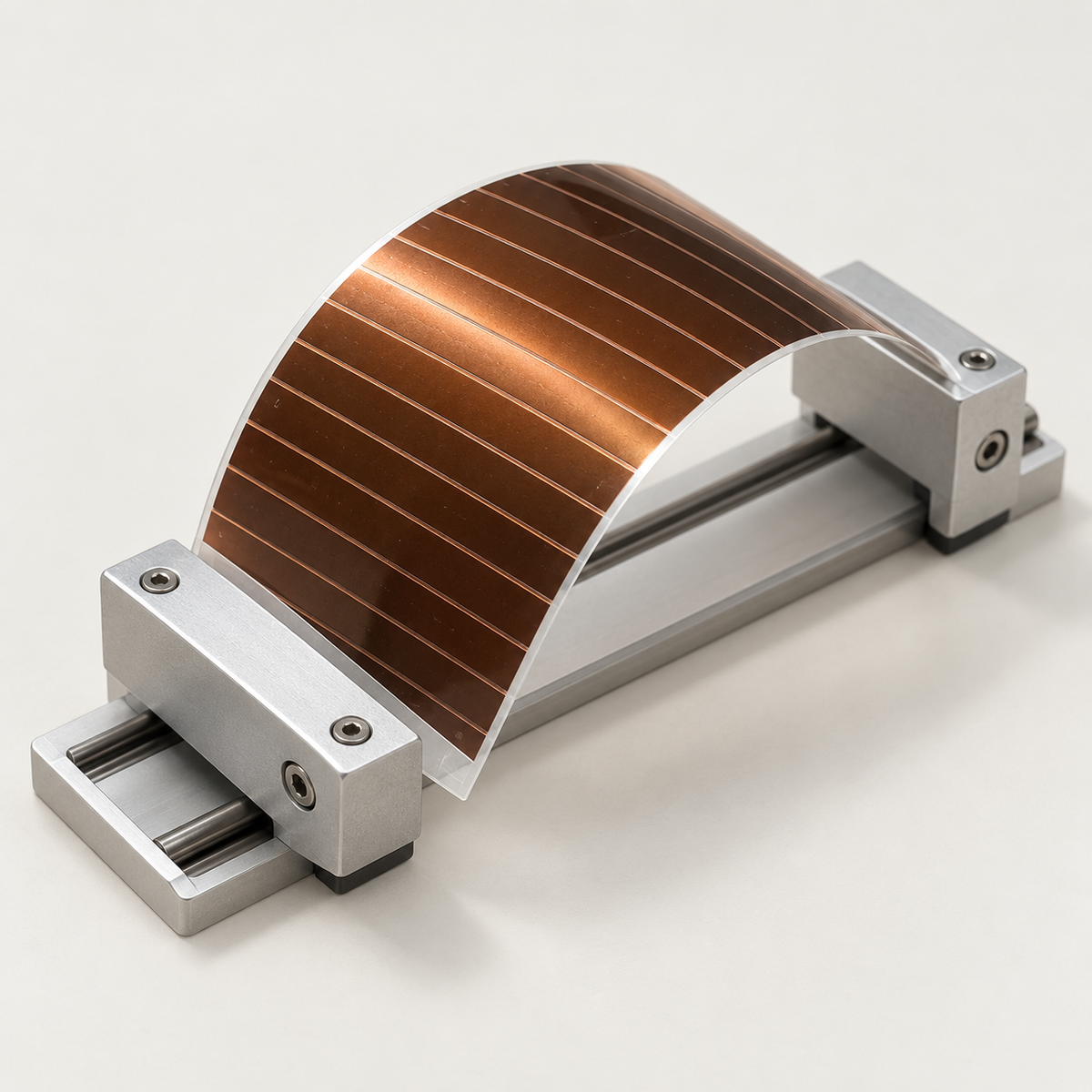
Solar that follows the surface.
Flexible films. More freedom to design.
Flexible perovskite can fit car roofs, curved facades, device housings and deployable arrays.Coating methods offer a path to roll-to-roll manufacturing.
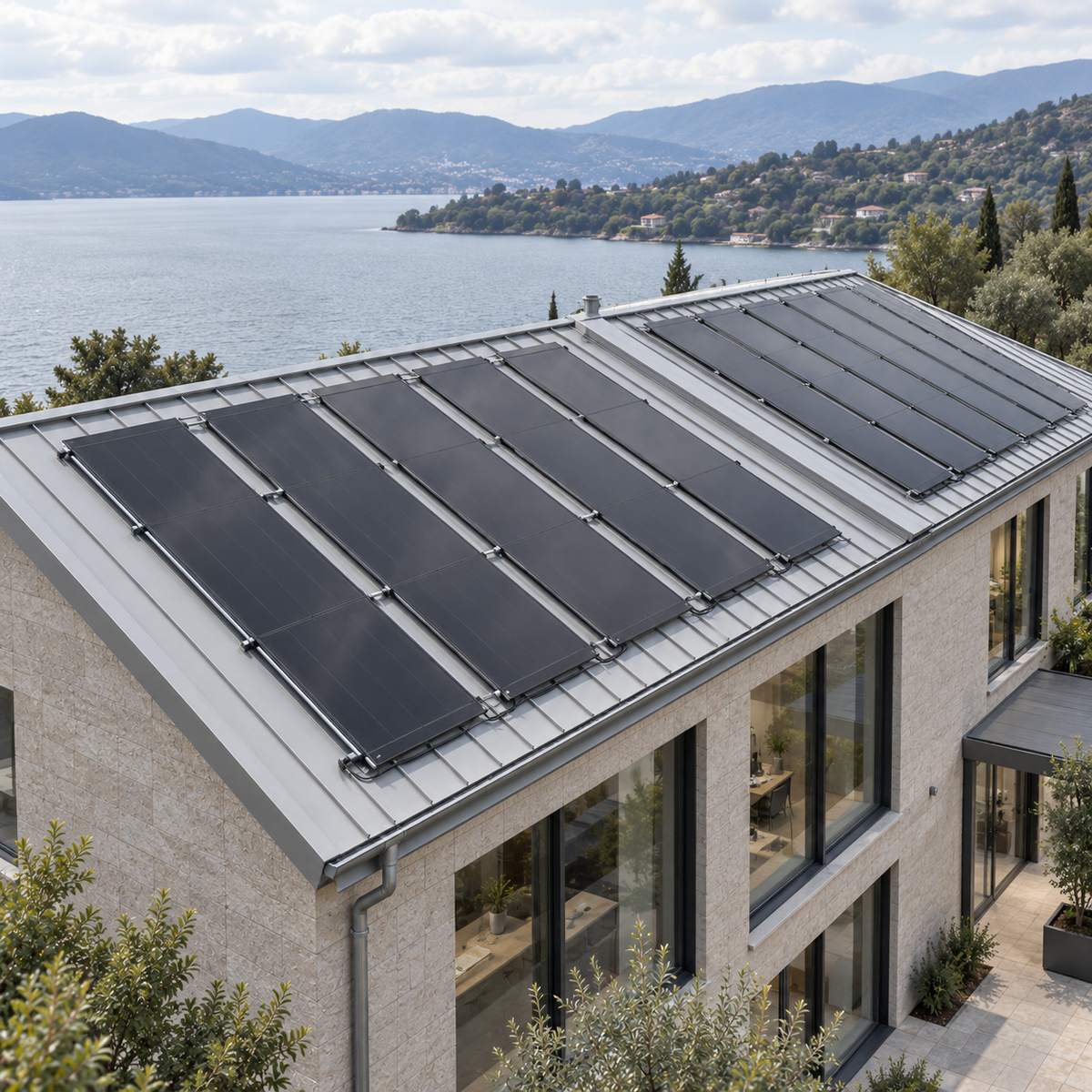
See the research↗Solar takes
new forms.
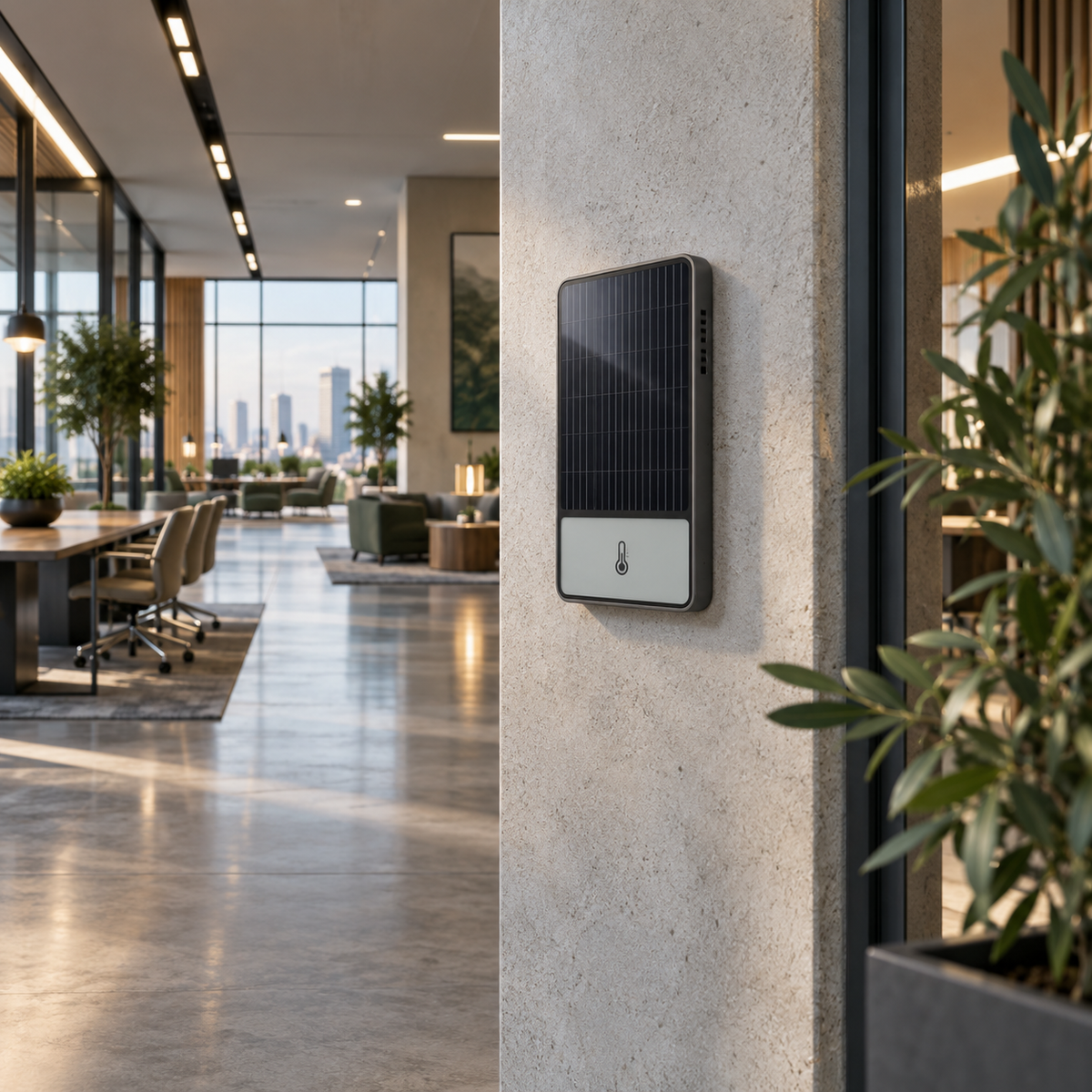
Space trials. Vehicle development. Building installations. Indoor solar research.


Straight from
the source.
Direct links to original research and institutional sources.
- US Department of EnergyPerovskite materials, ultra-thin absorbers, tunable band gap and thin-film manufacturing overview↗
- Nature EnergyLarge-area flexible module: 558 W/kg and 10,000 bend cycles↗
- NASANearly ten months of material exposure outside the International Space Station↗
- UCL37.6% research-cell efficiency under 1000 lux indoor light↗
- Toyota × EneCoatJoint development of perovskite solar cells for vehicles↗
- NEDO × Sekisui ChemicalAbout 250 m of film-type perovskite modules at Expo 2025 Osaka↗